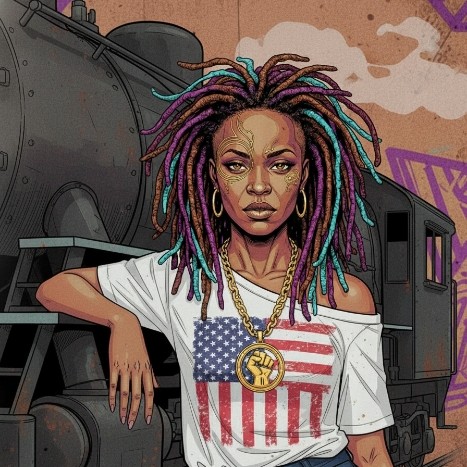
Stations of the Labor Pains Project
You have entered the Studio– the working engine room of the Labor Pains Project. With over 60 posts and counting, this archive is a living document of excavation, creation, and resistance.
To help you navigate the journey, I’ve organized the work into five Stations. Whether you are here for history, the art-making, or the raw reality of keeping the lights on, there is a platform for you!
- Archive & History (17)
- Art & Methodology (15)
- Economics & Admin (19)
- Reflections (20)
- Voices & Stories (11)
Station 1: The Depot (Archives & History)
The Roots. The Research. The Excavation.
Before we can map the future, we have to dig up the past. This is where I store the raw materials found in the archives of Albany and Oakland. Here, you’ll find deep dives into the lives of the women who came before us—from the Phyllis Wheatley Club to the Empire State Women’s Club. It’s dusty, detailed, and essential work.
- Look for: Historical analysis, archival findings, and the context of American labor.
- Start with: Day One: The Unexpected Activist in the Archives
Station 2: The Map Room (Art & Methodology)
The Tools. The Process. The “How-To.”
How do we turn trauma into territory we can claim? This station is dedicated to the artistic practice of Body Mapping and the “E3” (Express, Explore, Empower) philosophy. This is the blueprint of the project—where I break down exactly how we use art to trace scars and map healing.
- Look for: Workshop recaps, artistic theory, and the “why” behind the paint.
- Start with: What is a Body Map?
Station 3: The Ledger (Economics & Admin)
The Cost. The Capital. The Receipts.
Freedom isn’t free, and neither is web hosting. This station is for the realists. It’s where I discuss the “P” in my AFROP system (Practicalities). I write openly here about the economics of being an independent Black woman artist, the myths of the deficit, and the “sweat equity” required to build a movement from scratch. No sugarcoating allowed.
- Look for: Transparency reports, MMT analysis, and the business of survival.
- Start with: The Theft of Futurity: How the Deficit Myth Enforces Survival Mode
Station 4: The Platform (Voices & Stories)
The People. The Testimony. The Collection.
The train doesn’t move without the passengers. This station is the heart of the oral history collection. Here, we amplify the specific, lived experiences of Black women in the workforce. These are the stories of resilience, rage, and persistence that systems try to silence.
- Look for: Interviews, participant spotlights, and narrative story-sharing.
- Start with: We Break Ceilings, Not Systems
Station 5: The Lantern (Reflections)
The Light. The Journal. The Journey.
Sometimes the tunnel gets dark. This station is my personal corner of the studio. It’s where I process the emotional weight of this work, balance parenting with producing, and find the joy necessary to keep the engine running. It’s less about the “Project” and more about the person behind it.
- Look for: Personal updates, mental health checks, and parenting while producing.
- Start with: Grounding Myself in Joy